Bridging the safety gap with Trief Kerb
Project: Southwark Bridge
Client: City Bridge Trust
Product: Trief GST2 Kerbs
Size: N/A
Southwark Bridge was designed by Sir William Arrol, completed in 1921 and is today operated by the City Bridge Trust.
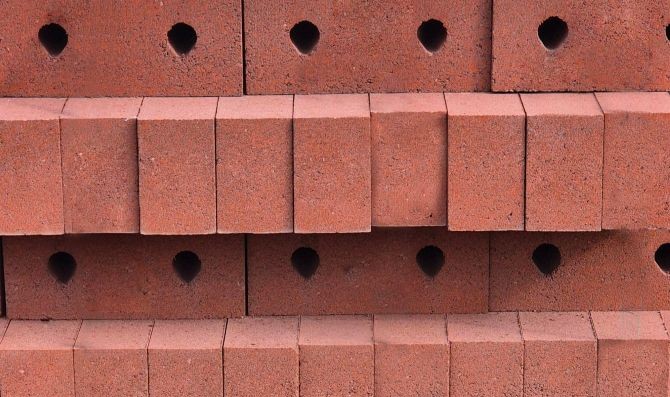
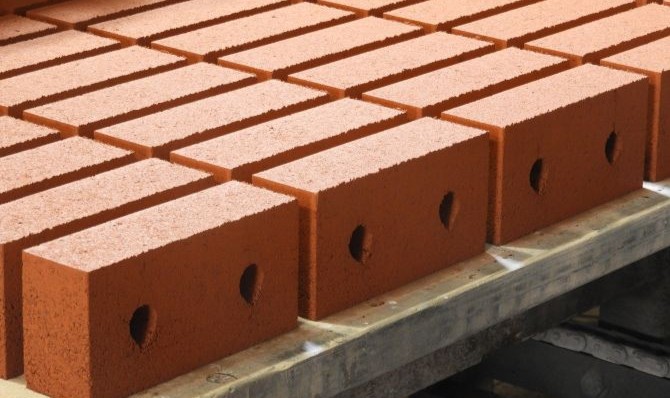
Trief containment kerbs have been used to create a safe route for cyclists and pedestrians across the length of Southwark Bridge.
This project is part of a push by the Mayor of London’s Office over recent years to encourage Londoners to cycle into the city and thereby to reduce congestion and vehicle pollutants in the capital. Although a relatively small scheme, this is an innovative use of Trief product, which, being on a bridge deck, was installed reinforced with dowels to minimise excavation depths. At over 240 metres long, the installation required over 500 Trief GST2 units for completion and, as a Grade II listed structure, it was also essential that the installation met with the requirements for managing developments on historic structures.
This Trief installation incorporates a number of pedestrian crossing points and offers a high degree of protection to cyclists heading up the road towards Upper Thames Street and the infamous ‘Ring of Steel’ which surrounds the heart of the city.
The provision of Trief to protect the cycleway should see Southwark Bridge retain its record of having the best safety record of any central London bridge and the scheme has been singled out by Southwark Living Streets Safe as providing excellent protection for cyclists.